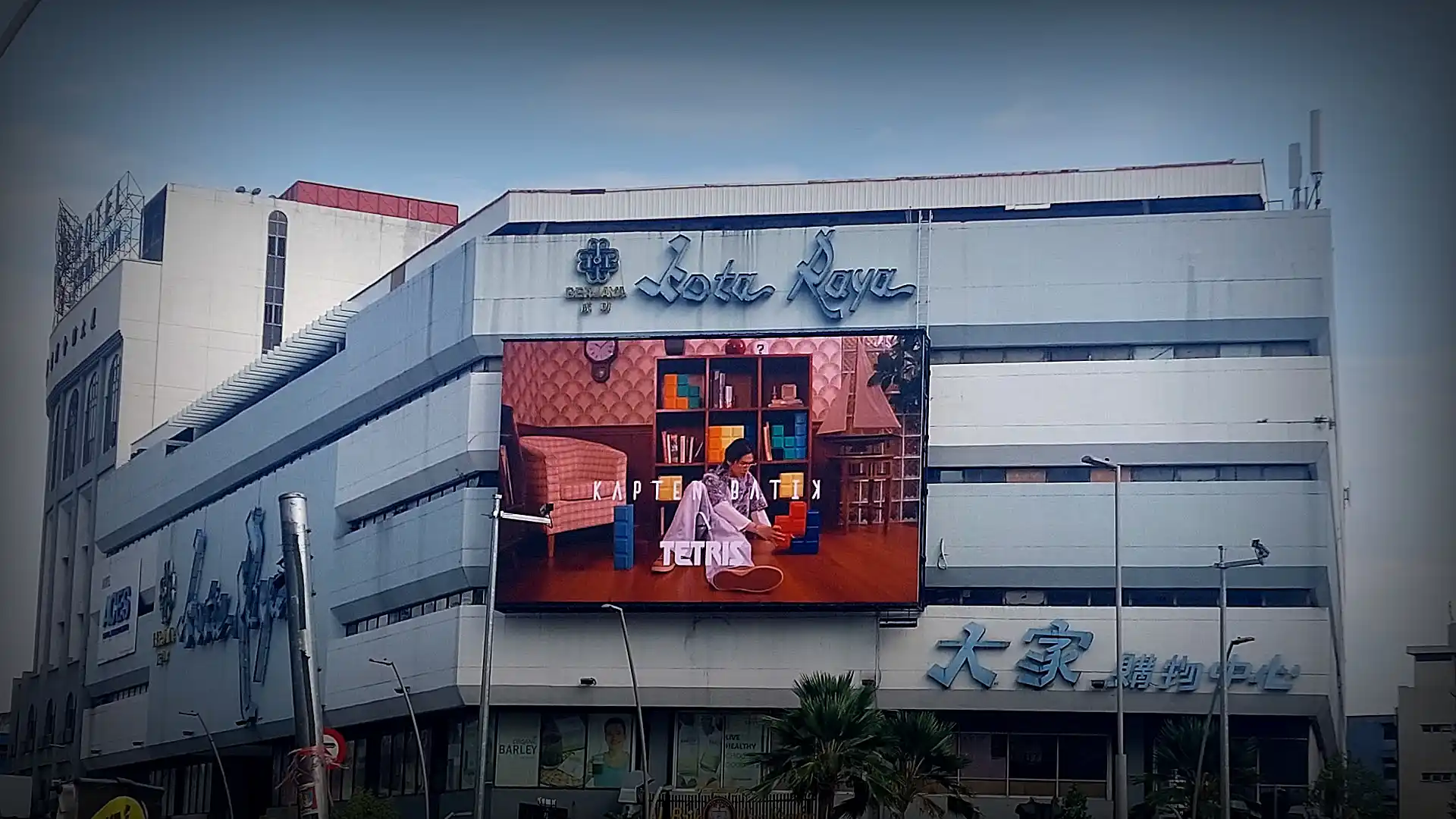
Directly opposite the neon-lit bustle of Petaling Street — Kuala Lumpur’s legendary Chinatown — stands a commercial complex that has served budget-conscious shoppers, bargain hunters, and wholesale buyers for decades.
Kotaraya Shopping Complex, often simply referred to as Kotaraya by locals, occupies a distinctive niche in Kuala Lumpur’s retail landscape: it is the affordable alternative to the surrounding tourist-heavy markets, the place where locals and savvy visitors know to go when they want genuine wholesale prices without sacrificing variety.
Tucked alongside the Kotaraya Bus Station, which serves intercity bus routes across Peninsular Malaysia, the complex draws not only daily neighbourhood shoppers but also a constant stream of travellers passing through and merchants restocking their own businesses.
For anyone seeking the authentic pulse of Kuala Lumpur’s budget retail culture — unfiltered by tourism packaging or luxury positioning — Kotaraya Shopping Complex offers an unvarnished, energetic, and genuinely affordable shopping experience that has endured long after many newer developments have come and gone.
A Strategic Position in Kuala Lumpur’s Historic Core
Kotaraya Shopping Complex is situated at the edge of Kuala Lumpur’s historic central business district, in the shadow of some of the city’s oldest and most storied neighbourhoods.
Its location directly opposite Petaling Street places it at one of Kuala Lumpur’s most visited tourist corridors, yet it operates in a distinctly different register.
While Petaling Street’s covered “Green Dragon” walkway — a RM 11 million facelift completed in 2003 that transformed the street into a pedestrianised shopping promenade — draws crowds of tourists seeking counterfeit luxury goods, imitation designer bags, and tourist-oriented trinkets, Kotaraya serves a different and in many ways more authentic market.
The surrounding area of Kuala Lumpur’s old town is steeped in history.
The nearby Masjid Jamek Mosque, with its elegant Moorish architecture, the Sri Mahamariamman Temple — one of the oldest Hindu temples in Kuala Lumpur — and the colonial-era buildings of Merdeka Square all lie within walking distance, creating a cultural context in which Kotaraya Shopping Complex operates.
The Kwai Chai Hong alley, a narrow back lane behind the shophouses with striking murals depicting historic Chinatown life, has become a popular tourist attraction in its own right, drawing visitors to explore the cultural heritage of the area.
Kotaraya benefits from this cultural foot traffic while maintaining its focus on affordable retail rather than tourism.
The Kotaraya Bus Station: A Commercial Anchor
One of Kotaraya Shopping Complex’s most significant distinguishing features is its adjacency to the Kotaraya Bus Station, Kuala Lumpur’s primary intercity bus terminal.
This terminal serves routes connecting Kuala Lumpur to destinations across Peninsular Malaysia—from Johor Bahru in the south to Penang in the north, from the east coast states to the west coast towns.
Every day, thousands of passengers pass through Kotaraya Bus Station, arriving in or departing from Kuala Lumpur. This constant throughput of travellers represents a captive customer base for the shopping complex.
For arriving travellers, Kotaraya Shopping Complex is often the first retail destination they encounter after disembarking.
Many passengers, whether laden with luggage or simply seeking to break a long journey, are drawn to the complex’s affordable shopping as a way to refresh, browse, or pick up practical necessities.
For departing passengers with time to spare before their buses, the complex offers an accessible and engaging way to spend waiting time, transforming what might otherwise be dead time into productive or enjoyable retail browsing.
This symbiosis between transit infrastructure and retail has been a key driver of Kotaraya’s commercial vitality over the decades.
A Bargain Hunter’s Paradise
The retail proposition at Kotaraya Shopping Complex is built on a foundation of affordability.
The complex houses hundreds of small shops and stalls across multiple floors, each specialising in different product categories.
Textiles and fabrics occupy a significant portion of the retail mix, with vendors offering bolts of cloth, curtains, bedding materials, and sewing essentials at prices significantly lower than those found in department stores or modern retail chains.
This focus on textiles reflects the area’s historical role as a centre of wholesale fabric trade, a legacy that continues today in Kotaraya’s aisles.
Fashion and apparel are the dominant categories throughout the complex.
The shops offer a vast range of clothing — ladies’ fashion, men’s wear, children’s clothing, sportswear, and traditional garments — at prices designed to appeal to the most budget-conscious consumer.
Unlike the fixed-price environments of modern malls, haggling is a well-established and expected practice at Kotaraya, with vendors and customers engaging in the familiar ritual of price negotiation that is central to Southeast Asian market culture.
For those who know the etiquette of the bargain, Kotaraya offers the opportunity to acquire more for less, rewarding persistence and social confidence with genuine savings.
The Wholesale Dimension
Beyond individual consumers, Kotaraya Shopping Complex serves a significant wholesale trade.
Small business owners, market stall operators, and entrepreneurs from across the Klang Valley come to Kotaraya to purchase stock for their own businesses.
The wholesale dimension of the complex’s trade adds an important economic function to its retail activities, positioning it as not merely a shopping destination but a supply chain node for a vast informal retail ecosystem.
Market vendors from far-flung night markets, small boutique owners starting their first inventory, and event traders preparing for weekend bazaars all depend on Kotaraya as a source of affordable goods.
This wholesale trade is facilitated by the variety and volume of products available within the complex. With hundreds of vendors concentrated in a single location, buyers can compare offerings, assess quality, and negotiate prices across multiple suppliers in a single visit.
The competitive pressure among so many vendors in close proximity keeps prices genuinely low, benefiting both wholesale buyers and individual consumers who happen upon the same pricing advantage.
Connectivity and Accessibility
Kotaraya Shopping Complex is remarkably well connected to Kuala Lumpur’s public transportation network.
The nearby Pasar Seni station serves as an interchange between the LRT Kelana Jaya Line and the MRT Kajang Line, providing rail access from across the city.
The Masjid Jamek LRT station on the Ampang and Sri Petaling Lines is also within walking distance.
The Plaza Rakyat LRT station, which will eventually connect to the Merdeka MRT station, offers additional rail access from the north. For those arriving by monorail, the Maharajalela Monorail station is nearby.
This multi-line transit connectivity ensures that Kotaraya remains accessible regardless of where visitors are travelling from in the Klang Valley.
An Enduring Institution
In a retail landscape where newer, shinier shopping centres open and close with remarkable speed, Kotaraya Shopping Complex has endured.
Its formula — affordable prices, a wide variety of goods, direct bus connectivity, and a location in one of Kuala Lumpur’s most historically significant areas—has proven remarkably resilient.
The complex has survived the transformation of the surrounding Petaling Street area, the rise of modern suburban malls, and the disruption of e-commerce, maintaining its relevance as a destination for those who seek value above all else.